
Know the signs
Know your normal. Notice what changes.
Early breast cancer often has no symptoms, which is why checks matter. When there are signs, these are the five to know.

Five signs to know
They can show up in one breast or both, and in the armpit. Men can notice them too.
A lump or thickening
In the breast or armpit, often without any pain.
A change in size or shape
Or in how one breast looks compared with before.
Skin changes
Dimpling, redness, pitting, or skin like orange peel.
A nipple change
In how it looks, or in the skin around it.
Unusual fluid
Abnormal or bloody discharge from the nipple.
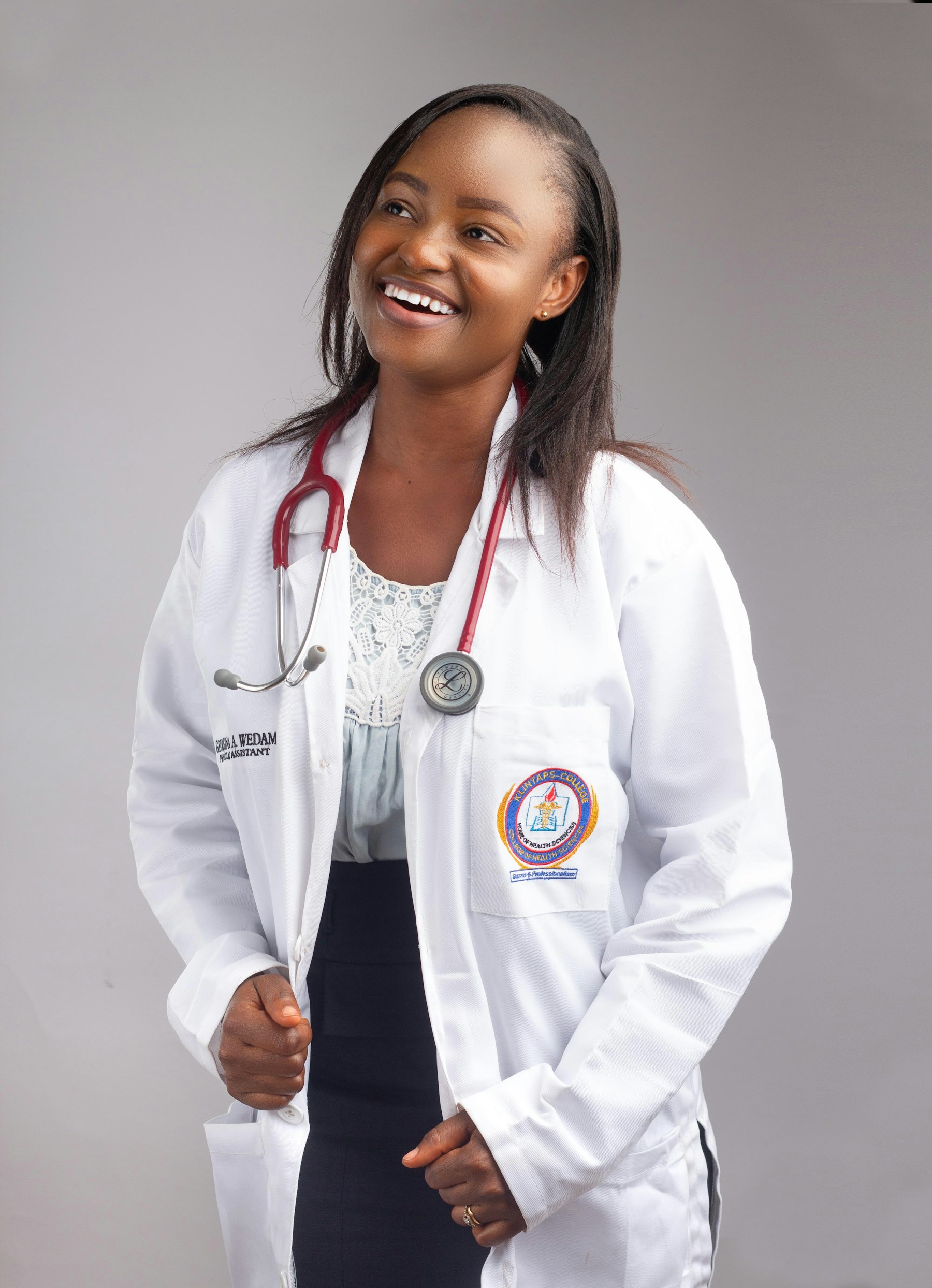
Noticed a change?
Get it checked. Early is everything.
Most breast lumps are not cancer. But any change that doesn't go away should be checked by a health worker, and the sooner the better. No single test catches everything, so if something still feels wrong, ask what comes next.
How it's found early
Know your normal
Notice how your breasts usually look and feel, so a change stands out when it happens.
A clinical breast exam
A trained health worker checks by hand. Where mammograms are scarce, this is often the first check.
Screening and imaging
Mammograms can find cancer before it can be felt. If something needs a closer look, a doctor may also use ultrasound or MRI.
of breast cancers happen in women with no risk factor other than sex and age.
WHO breast cancer fact sheet, 2026
What raises the risk
- Getting older
- Family history of breast cancer
- Obesity
- Alcohol and tobacco use
- Past radiation exposure
- Hormone therapy after menopause
That's why everyone should know the signs, not only people who think they're at risk.
Share the signs. It takes ten seconds.
Take the pledge and get a card ready to share on social media.
This page is for awareness, not medical advice. If you notice a change, please see a health worker.